Thames Water CEO: We Welcome Greater Public Control, Not Nationalisation
Chris Weston, on the future of Thames Water and droughts being the new normal.
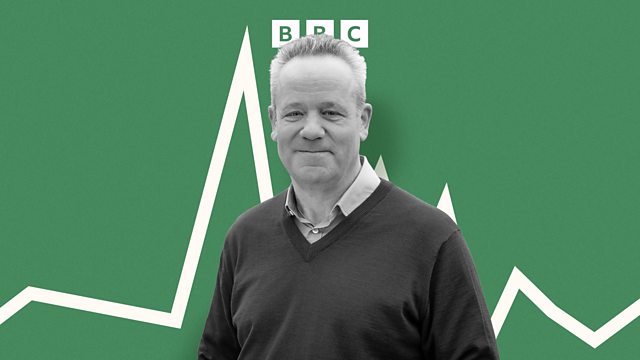
(Episode 51) Who should control Britain's biggest water company? Chris Weston, the chief executive of Thames Water, says he "completely agrees" with the Prime Minister that the industry, and Thames Water, needs greater public control. But he draws a clear distinction between stronger public accountability and public ownership, arguing that nationalisation or special administration could delay investment, increase uncertainty and ultimately leave taxpayers carrying the financial risk.
Thames spent more than £1bn more than it received last year, with the shortfall currently funded by creditors. Under special administration, Weston says that funding would instead have to come from government while a new owner was sought. Full nationalisation, he argues, would place Thames Water's decade-long infrastructure programme on the public balance sheet alongside defence, health and education. His preferred solution is the proposal from more than 100 creditors to write off around £9bn of debt, inject fresh equity and rebuild the company under a model that promises no dividends for at least ten years. He argues this private-sector restructuring can sit alongside stronger public oversight, clearer government direction, greater regional representation and a more company-specific regulatory regime.
The debate over ownership comes as Weston warns Britain faces a much bigger challenge. Drought, he says, is no longer an exceptional event but "the new normal". Despite an unusually wet January and February, no rain fell across the Thames Valley in July, exposing a shortage of water storage across the South East.
Thames has not built a reservoir since Farmoor B in 1977. A replacement scheme proposed around 2010 was rejected after the company failed to make its case successfully, and Weston believes the region would not be facing a hosepipe ban today had it been approved. The proposed Whitehorse reservoir near Abingdon remains in the planning process and is not expected to begin filling until 2038, with another three years needed before it reaches capacity.
Population growth, government housebuilding targets and the rapid expansion of data centres will place even greater pressure on supplies. Weston questions whether data centres should rely on drinking water for cooling, suggesting treated effluent from sewage works could provide an alternative. He also says households will need to become more mindful of how they use water, with government playing a greater role in encouraging behavioural change.
Weston also makes a notable concession about how the industry reached this point. Customers, he says, have "paid too little for water for too long". Thames operates 440 treatment works and a network stretching four times around the circumference of the Earth. Keeping bills low, he argues, meant insufficient investment in maintaining and modernising ageing infrastructure, although he accepts the company's current debt levels are unsustainable.
On pollution, Weston accepts Thames must improve but refuses to promise sewage incidents can ever be eliminated entirely. The company treats around 4.3 billion litres of wastewater every day and, he says, succeeds 99.5% of the time on average. Extreme weather, ageing infrastructure and illegal connections mean completely eliminating pollution incidents remains "very, very slim".
Presenter: Simon Jack
Producer: Olie D'Albertanson/Ollie Smith
00:00 BBC Editor, Simon Jack introduces podcast
03:09 Chris Weston joins pod, explains Thames Water's situation
06:18 Bills were too low for too long.
09:32 Unrealistic targets, swage and pollution
12:31 Privatisation of Thames Water
14:50 What's on the table now?
17:28 Greater public control, special administration and nationalisation
28:41 Drought, reservoirs and the new normal
34:29 Staff abuse and his own pay
More episodes
Podcast
![]()
Big Boss Interview
In-depth interviews with the world's most high profile CEOs and entrepreneurs.