Is your iPhone about to change forever?
Apple’s CEO is going, so what does that mean for next iPhone era? Plus, the Geese “psyop” row and the bots hyping music. And Maine unplugs data centres.
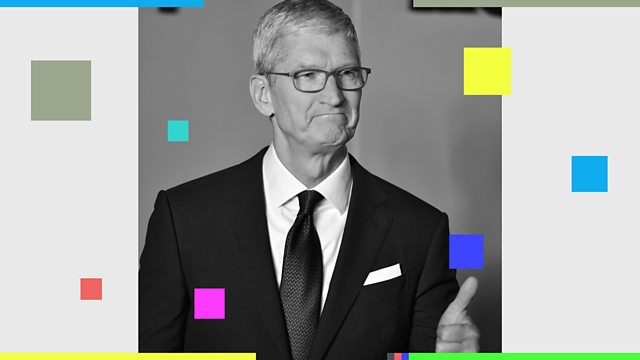
Tim Cook resigns: what does a new Apple boss mean for your smartphone?
Apple CEO Tim Cook is stepping down later this year, with John Ternus — a long‑time hardware leader — named as his successor. We look past the boardroom drama and asks what this means for the thing most of us hold all day: your phone. Apple’s design choices set the tone for the entire industry; when Apple shifts, everyone else tends to follow. And if the next era is led by a hardware engineer, does that point to a different kind of iPhone future — in how it looks, behaves, and what Apple chooses to prioritise (or drop)?
Also this week:
Geese — psyop or marketing?
A band called Geese seemed to come out of nowhere - and now they’re playing Coachella. But alongside their rise, a bigger question has caught fire: how much of what we think is “organic” online is actually engineered? A WIRED report digs into “trend simulation”: networks of accounts, seeded clips and manufactured discourse designed to push an artist up the algorithmic ladder. None of this is entirely new - the music industry has always shaped what we hear - but the machinery is now quieter, faster, and harder to spot. And that changes the emotional core of fandom: when something breaks through, we don’t just ask “is this good?” — we ask “did I choose this… or was it chosen for me?”
Maine becomes the first state to ban data centres
Maine lawmakers have approved what’s being described as the first statewide pause on large data centres - driven by fears over electricity demand, rising bills, water use and environmental strain. This isn’t just a Maine story. Across the US, analysts are already warning that a huge chunk of planned data‑centre capacity for 2026 is being delayed or cancelled - not only because of local pushback, but because power, transformers and other basic electrical kit are becoming the bottleneck.
At the same time, cracks are showing in the AI boom’s confidence game: OpenAI has shut down its standalone Sora video app, citing a wind‑down timeline, after reports that the economics and compute costs didn’t add up. And in one of the most surreal signs of the hype cycle, Allbirds has announced it’s selling off its shoe business and rebranding as an “AI compute infrastructure” company.
So Karen asks the question beneath the headlines: are we looking at normal growing pains — or early signs that the AI bubble is hitting real limits: energy, hardware, planning, and public consent?
The Interface is your weekly guide to the tech rewiring your week and our world. Hosted by journalists Thomas Germain, Karen Hao, and Nicky Woolf, each episode unpacks, week by week, how technology is shaping all our futures. No guests. No jargon. Just three sharp voices debating the stories that matter — whether they shook a government, broke the internet, or quietly tipped the balance of power.
New episodes every Thursday on BBC Sounds in the UK. Outside the UK, find us on BBC.com or wherever you get your podcasts, or watch the video version on YouTube (search “The Interface podcast”).
To get in touch with the team: theinterface@bbc.com
The Interface is a BBC Studios production.
Producer: Natalia Rodriguez Ford
Executive Editor: Philip Sellars
More episodes
Featured
.
Podcast
![]()
The Interface
The show that brings you the tech stories that matter most to you

Related Content