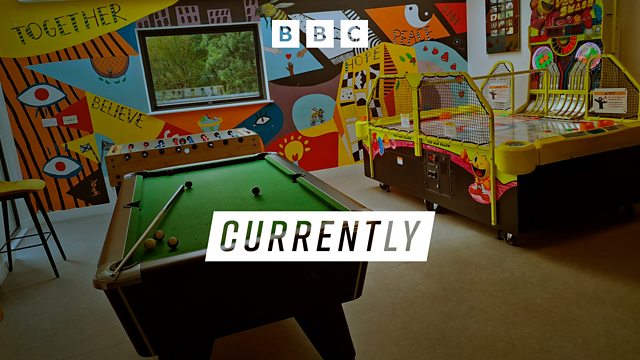
The Return of the Youth Club
Former youth worker and journalist Neil Maggs looks at the fall and rise of youth clubs and questions whether a new government strategy goes far enough to revitalise youth services
More than a thousand youth clubs have closed their doors since 2010. Local government spending on youth services was slashed by around three-quarters during the age of austerity leaving a generation of young people without places to play. The former youth worker turned journalist Neil Maggs considers the impact of these cuts and examines new government plans to spend £500m to revitalise the youth sector.
Neil hears from young people at the youth club where he started his career in Barton Hill in Bristol. Emma Warren who has written a social history of youth clubs in Britain in her book "Up The Youth Club" talks about their role as engines of creativity. Youth clubs gave rise to Two Tone music in Coventry as well as Banksy and the graffiti scene in Bristol She reveals that the origins of youth clubs began with the charitable activities of private schools and discusses how a Conservative government in the 1960s gave youth clubs a major boost after the intervention of the aristocrat and social reformer Lady Albermarle. Dr Tania de St Croix from King's College London and Dr Carmen Villa from the Institute for Fiscal Studies give context on the effects of closing youth clubs.
In Manchester, Neil looks at the hub-and-spoke model the government is piloting as the future of youth clubs. Smaller clubs form spokes that feed into integrated youth hubs where broader services are offered. He tours a new youth club in the Crumpsall area as well as a revitalised hub in Moss Side and asks whether youth clubs are back for good.
Produced by Robin Markwell for BBC Audio in Bristol
Last on

More episodes
Featured
.
Broadcasts
- Sun 6 Sep 202613:30BBC Radio 4
- Mon 7 Sep 202616:00BBC Radio 4
Podcast
![]()
Currently
Reactive features from Radio 4, exploring what's really happening behind the headlines.

Related Content
