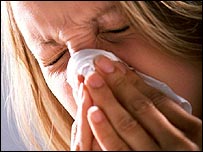
Approx 9 million people in the UK suffer with hayfever.
Do you get a runny, itchy or blocked nose, watery itchy or red eyes, sneezing or headaches? Then you may be suffering symptoms of hayfever (also called seasonal allergic rhinitis).
Who gets hayfever?
It is very common, often developing in childhood. Sufferers usually have hayfever every year but symptoms can improve and sometimes disappear. You may be allergic to one or more types of pollen.
What causes hayfever?
Hayfever is an allergy to pollen. The symptoms are seasonal. It is caused by a reaction to grass pollen or fungal spores. The hayfever season usually begins with the release of tree pollens, particularly birch (March to May) and is followed by grass pollen (May to July/August). Weed and spore pollen is released June to November.
What to do to help?
• Check the pollen count which is often given in TV/Radio weather forecasts - try to reduce your exposure to pollen if the pollen count is high (50+)
• Stay indoors as much as possible
• Avoid grass cutting
• If you’ve been out, take a shower
• Protect your eyes by wearing sunglasses when you are out
• Keep car windows closed
Treatment
• Antihistamine nose sprays – these can help reduce itching and sneezing
• Antihistamine tablets – ease most of the symptoms
• Steroid nose sprays – these help to reduce inflamation
• Consult your pharmacist or doctor to see which medication would suit you best
Sources: www.bbc.co.uk/health www.bupa.co.uk www.kidsallergies.co.uk
FOR MORE INFORMATION
Visit the BBC Health page for more information:www.bbc.co.uk/health
Allergy UK – 01322 619898 www.allergyuk.org
BBC Weather - UK Pollen Index www.bbc.co.uk/weather/pollen
BBC OXFORD ACTION DESK
BBC Oxford, 269 Banbury Road, Oxford, OX2 7YL
radio.oxford.actiondesk@bbc.co.uk
08459 311 222