BBC HomeExplore the BBC
This page has been archived and is no longer updated. Find out more about page archiving.

27 November 2014

BBC Homepage


Contact Us

Factsheets

You are in: Oxford > BBC Radio Oxford > Factsheets > Do something for the environment
BBC Breathing Places

Get involved with BBC Breathing Places

Do something for the environment

Breathing Places is a BBC inititive trying to encourage everyone to do a little bit for the environment they live in. We have come up with lots of ways in which you can do your bit!

With Spring just around the corner, its the time of year when we start to notice new flowers and wildlife in our back gardens across Oxfordshire. Enjoying the outdoors will do you some good and, as long as you're careful, you will do some good for wildlife as well. It's as simple as doing one thing, no matter how big or small that one thing is.

Here are a few ideas for things which you can do in your own garden:

Provide Water For Birds

Most small birds need to drink at least twice a day so being able to rely on a supply in your garden can make a big difference.

Bird bath

Birds need water for drinking and their feathery ablutions too - bathing and preening are essential to keep feathers in good condition.

Different types of birdbath

  • You can create a DIY bird bath from any water-tight shallow container. A rough bottom helps to stop the birds from slipping and you could put pebbles in the bottom to vary the depth. Stick in a ramp so other animals can get out if they fall in.
  • You can buy a bird bath to put into the ground or hang from a wall bracket but remember you’re choosing for the birds and not for your own tastes – they’ll be suspicious of bright colours so keep it natural.
  • Putting a container on a pedestal is great for safety. It gives birds a good view of slinking cats. A hanging model gives the same advantage.

Siting and maintenance

  • A shady spot is best as water dries up quickly in the sun.
  • A bath with a 360º view lets birds keep an eye out for predators. Put it close enough to trees or bushes so they can perch and get the all-clear before a dip, but far enough away so that cats can’t ambush them while they’re busy bathing.
    Plant prickly shrubs near the bath. These deter cats from using them as cover.
    Remember the birds are your guests – keep their baths topped up with clean, fresh water.
  • Give the bath a clean every couple of weeks to help keep the water clear and prevent the spread of disease. Use boiling water or buy specialist products that aren’t harmful to wildlife.
  • It might go against instinct but if the water freezes, cold water thaws ice more quickly than hot. If the bath is big enough, floating a tennis ball or apple helps to prevent ice from forming.

Make a Bug Home

Where bugs like to live

Bugs might not look like particularly significant visitors to your garden, but they’re vital to keeping the ecosystem working. If you want to help them get through the hard times or give them somewhere to breed, provide them with their own place to stay.
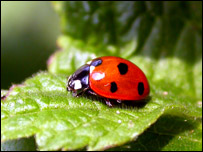
Seven spot ladybird

Bugs have their own special requirements when they’re looking for a home: somewhere nice and damp, lots of mess and a bit of mould for good measure. There are lots of designs on the theme which will ensure the bugs in your garden can sleep tight through the winter.

One easy design is to take a bundle of bamboo canes or other twigs and tie them together with a piece of string. Hang up the bundle under the branch of a tree or to a railing and the bugs will start to move in. Or you can take a plastic drink bottle, cut off the bottom, make holes in the sides and fill with dead leaves after the autumn fall. Or take an old plant pot, fill with leaves and turn upside down. It might go against instinct but put it somewhere damp rather than somewhere dry
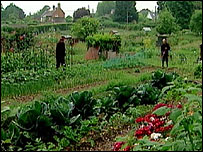
Allotment

Allotment

Get an Allotment

Growing fruit, veg and flowers on a plot is a fantastic way to give wildlife a place to feed and live – and a great way to get wildlife working for you too! Keeping an allotment will get you outside, keeping fit and working with nature, and you’ll literally get to enjoy the fruits of your labour.

What is an allotment and how do I rent one?

  • Allotments are plots of land loaned to people to grow fruit, vegetables and other plants.
  • Renting an allotment won’t break the bank – many local councils let them for as little as £20 a year. Sometimes they can be rented privately.If the rules allow, you could make your plot extra wildlife-friendly by creating a pond.
  • Plant wildlife-friendly flowers alongside your veg to give helpful bugs like ladybirds and lacewings good reason to visit – they’ll keep the aphids under control.

What to grow for wildlife

  • Whatever you choose to grow on an allotment, you can minimise harm to wildlife and maintain natural balance on your plot by using organic methods.
  • Piling up the compost is a great source of food and shelter for local wildlife and helps your fruit and veg grow big and tasty too. Hedgehogs sometimes use composts heaps to shelter in and if you like cabbages, you’ll be glad of the slug control
  • Soft fruit bushes are fantastic for birds such as blackbirds and thrushes, though they may be stripped of raspberries and currants before you have time to harvest them yourself! Some allotment associations don't allow these fruits to be grown.
  • Companion planting can keep pests off your crops. Plant marigolds next to tomatoes and aphids will stay away as they don’t like the smell. Bees and butterflies will enjoy the flowers, too.

For more information on BBC Breathing Places visit the website.

last updated: 23/01/2008 at 14:24
created: 23/01/2008

You are in: Oxford > BBC Radio Oxford > Factsheets > Do something for the environment


About the BBC | Help | Terms of Use | Privacy & Cookies Policy