Understanding social barriers to sexual and reproductive health for adolescents
How communication strategies can create a supportive environment to improve contraceptive decisions and access among young people
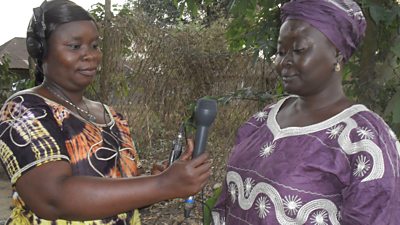
BBC Media Action Sierra Leone, commissioned by UNFPA in 2024, conducted research to understand the social and gender norms influencing access to and use of modern contraceptives among adolescents and youth across urban and rural communities.
Young people in Sierra Leone face persistent stigma, silence and unequal expectations when it comes to contraception. While awareness of modern methods is high, social norms within families and communities often discourage discussion, limit autonomy and place the responsibility for accessing and using contraception on girls and young women.
The study, based on qualitative research across three districts, examined how norms are shaped and reinforced by peers, families, health workers and community leaders. It found that expectations around relationships, sex and contraception are often contradictory – discouraging premarital sex in principle, while recognising that relationships among young people are common in practice.
Our research shows that these tensions shape how adolescents navigate contraceptive use, often in secrecy due to fear of stigma, disapproval or sanctions. At the same time, emerging attitudes associate contraceptive use with education and responsible behaviour, pointing to opportunities for change through communication strategies that support open dialogue and engagement.
Download the report to read the full findings of this study.
Research summary
Our research library

Search by Tag:
- Tagged with InsightInsight
- Tagged with Research summaryResearch summary
- Tagged with Sierra LeoneSierra Leone
- Tagged with Sexual and reproductive healthSexual and reproductive health
- Tagged with Young peopleYoung people
