FINANCING DEBT | | Debt can spiral out of control quickly |
Living in debt is a fact of life for many householders. Inside Out investigates how money lenders are targetting some of the most vulnerable people on the South's housing estates. Money lenders have always been a feature of our lives, dating back to the middle ages. But today's money lending companies are one step ahead of the game. They're well organised, and highly persuasive in marketing their services. Inside Out investigates how commercial money lenders exploit the poorest people in society. Credit company 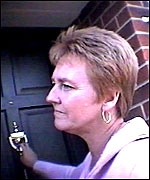 | | Counting the cost - Carol Greenwood visits her clients |
Inside Out sent a reporter to work for Shopacheck, a national company which offers loans to people who have no access to conventional credit. Shopacheck, which has a turnover of £150m, charges customers an annual percentage rate (APR) of 440% on its standard £100 loan. Inside Outs reporter was trained in Southampton by one of the companys top debt collectors, Carol Greenwood. Vulnerable clients Greenwood describes the collectors as loan sharks. She admits that the company targets people who cannot afford the loans they are taking on. Youre going to pick on Mr. and Mrs. Vulnerable arent you? People who need something now and dont care how much it is going to cost, she said. The programme shows how Carol Greenwood extracts money from customers who are struggling to pay, and how she spies through their keyholes to see if they are at home. High interest creditThe devastating effects of this type of lending can be seen on the Whitehawk estate in Brighton, where there are at least half a dozen companies offering high interest credit.  | | Half a dozen companies offer high interest credit at Whitehawk estate |
A former Shopacheck collector says that he used to collect £2000 a week on Whitehawk. Many of his customers were on benefits, but he was still allowed to lend them large sums of money. To start with you could lend £100 in vouchers to a new client, says the former Shopacheck collector. If they paid that OK, then you could increase it over a period of time, just judging by the way they paid. The people on income support are on guaranteed money so they are probably a safer bet than the people who are working. Debt dilemma Single mother Sandra Burtenshaw lives on the Whitehawk estate. She borrowed money from a number of lenders and was soon expected to pay back £130 a week from her benefits. Nearly every night I wouldnt sleep, wondering where I would get the money from, knowing that they would be knocking on my door. "It just used to go round and round my head. I used to think what can I sell in my house just to get some money for my kids. The money lendersShopacheck refused to be interviewed for the programme, but issued the following statement:
"Shopacheck is a responsible lender and cares about its customers and representatives. Shopacheck is licensed under the Consumer Credit Act and conducts all its operations in accordance with its regulatory requirements.
"The BBC refused to show us the footage prior to screening meaning we were unable to comment. We will of course take all criticisms seriously and investigate them thoroughly." 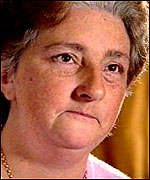 | | Sandra Burtenshaw felt under enormous pressure to pay off her debts |
But the National Consumer Council thinks that the users of this credit may need more protecting when the cost gets out of hand. It is threatening doorstep lenders with a complaint, which could result in a clampdown on their activities from the Office of Fair Trading. Credit Unions For those desperate to get their finances straight, local credit unions can be a good alliterative to money lenders. A credit union is a savings and loans co-operative run by its members for its members. Credit unions can provide an ethical and local alternative to mainstream money lenders, offering savings and good value loans.
Members save regularly, as much or as little as suits them. Once members have saved regularly for a minimum period, they can apply to borrow up to two or three times the amount saved. By law, credit unions can charge a maximum of 1% interest per month on the money they lend to their members. Getting out of the debt trap | Clampdown on debt -
cut back your spending |
If you do get into debt, talk to an expert and get professional advice. There are many organisations who can help with specific problems. The National Debtline runs a freephone help line on 0808 808 4000.
Another good source of advice is the Consumer Credit Counselling Service on 0800 138 1111.
The BBC's campaign Hey Big Spender, in Spring 2004, aimed to increase awareness of the issues around debt. Visit the special Hey Big Spender web site for more information. | 



