| 28 October 2014 |

| |
| BBC Homepage | | |
| |||
| Contact Us | | |
AbolitionYou are in: Hampshire > Abolition > Quakers and Abolition 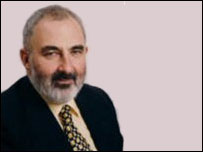 Southampton Quaker Tony Stoller Quakers and Abolitionby Tony Stoller Quakers were strongly involved in the Abolition movement, with influence both locally and nationally. Broadcaster and Southampton-based Quaker Tony Stoller examines his faith's involvement with the abolition of the Slave Trade. Quakers from the South and across the country were a leading force in the Abolition movement. Quakerism had its beginnings in the religious turmoil of the 17th Century. By the end of the 18th, Quakers had become successful business people which gave them contacts in the City and the commercial hub of the nation. Social reformersElizabeth Fry (1780 - 1845), a Quaker, is remembered today for her hard work in reforming the prison system - her portrait appears on the back of some of our current five pound notes - but the abolition of slavery was the Quaker's dominant campaign at the time. The family links between Quakers made them a formidable lobbying group. Their exclusion from Parliament, the Church and the armed forces left them with energy to spare - energy that was focused on effecting social reform. Elizabeth Fry’s brother-in-law was Thomas Fulwell Buxton, who became MP for Weymouth in 1818, and was a key parliamentary figure in the final abolition of slavery throughout the British Empire in 1834. Ringwood and New ForestThe Religious Society of Friends, the full name for the Quaker movement, is based on local Meetings. It was the Ringwood and New Forest Preparative Meeting which was the most active of those in Hampshire, in showing its concerns for the abolition of the Slave Trade. The ports of Bristol and Liverpool were Britain's main hubs related to the Slave Trade, and it was Quaker Meetings here - and in the City of London, which financed the trade – where the Quaker's work was most concentrated. It was not only Quakers who drove the efforts towards Abolition, but their involvement was significant. Society for Abolition of SlaveryWhen the Society for the Abolition of Slavery was formed in 1787, nine of its twelve members were Quakers (although not William Wilberforce, who was an Evangelical Christian) including John Barton, whose son (also named John) was a prominent Chichester Quaker at the start of the century. His sister Maria Hack, who came to live in Southampton, was one of the many feisty Quaker women who were active in seeking to change for the better the worlds in which they lived. This awareness of slavery remains a continuing concern for local Quakers. Chichester exhibitionModern day Chichester Quaker Meeting will be presenting an exhibition, showing the Quaker involvement in the Abolition of the Slave Trade, as part of this year’s Chichester Festivities, from 9 – 14 July. The Chair of Anti-Slavery International, Andrew Clark – himself a prominent Quaker – will be giving a lecture as part of the Festivities. Modern day slavery concernsI gave the opening talk of the Chichester Lent Lecture Series last month, and in it I expressed current concerns among Quakers over modern slavery in the UK. The main sectors for the employment of migrant workers today include agriculture, food processing and packing, construction, catering, leisure, hotels, cleaning, textiles and social and health care. Right here in the South, I suggest that many of us, in one way or another, is a beneficiary of slavery, or have, at least, exploited migrant labour. last updated: 12/03/2008 at 10:22
|
| | About the BBC | Help | Terms of Use | Privacy & Cookies Policy |