| 28 October 2014 |

| |
| BBC Homepage | | |
| |||
| Contact Us | | |
AbolitionYou are in: Hampshire > Abolition > Rice, sugar - and slavery 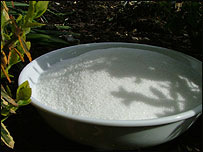 Sugar was processed in Southampton Rice, sugar - and slaveryDid you know some of the food we still eat today once had strong local connections with the Slave Trade? Foods produced by slaves were imported in large quantities around the South - and, in fact, Cowes was a main British port for the rice trade. RiceDid you know that Cowes on the Isle of Wight was once a central shipping point for rice? 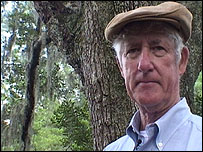 Richard Porcher Produced by slave workers in Southern Carolina, which at the time was a British colony, the grain was shipped to Cowes. Here, it went through English custom points, where it was taxed and distributed onwards around Europe. Docks at Poole, Southampton and Portsmouth were also used occasionally, but Cowes became a favoured port during the 17th century due to its convenient position on the route from America to Northern Europe. South CarolinaProfessor Richard Porcher, a botanist and historian and expert on the history of the rice culture in South Carolina, explains, “From 1705, all of the rice grown in South Carolina and Georgia went to England, and that rice was grown through slave labour. "That’s how Cowes participated in the slave trade.” It was a huge industry. Professor Porcher estimates that around 250,000 acres of Carolina and Georgia were fields producing rice, and all of that was exported - and all of it involved African slaves. Help playing audio/video SugarSugar, too, is another common part of our diet that has links with slavery. Grown by slave workers in the West Indies, its import into Britain resulted in the prosperity of the country’s ports. Our region wasn’t a significant importer of sugar – Bristol and Liverpool were two of the country’s main centres – but Southampton had enough sugar imported to have its own sugarhouse, where it was refined and processed before being sold on. The city even had a street named after the business. Sugar House Lane has long since vanished - the site is now occupied by flats, on a site close to Gloucester Square. As the abolitionist movement began to take off, many began to boycott sugar in protest at its slave-linked production. Less significant, but still imported through the South's ports, were quantities of slave-produced coffee and cocoa, plus cotton and timber. King George IIIThe wealth of those involved in the Slave Trade, such as plantation owners and their families, was well known and easy to spot. In fact, it’s been said that the king at the time, George III (1738 - 1820), while on holiday in his favourite seaside town of Weymouth – he believed that bathing in the sea there could treat his ‘nervous disorder’ - spotted an owner of a Jamaican planter who had a more luxurious coach than his own. The king was said to have immediately understood the reasons behind the planter’s wealth: “Sugar, eh?,” he quipped. last updated: 12/03/2008 at 10:21 You are in: Hampshire > Abolition > Rice, sugar - and slavery
|
| | About the BBC | Help | Terms of Use | Privacy & Cookies Policy |