| 28 October 2014 |

| |
| BBC Homepage | | |
| |||
| Contact Us | | |
AbolitionYou are in: Cumbria > Abolition > Slavery - fortunes made. 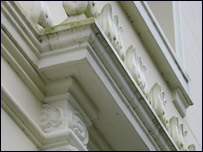 Ornate doorway at Storrs Hall Slavery - fortunes made.Belinda Artingstoll Many men from what is now Cumbria made their fortunes from the slave trade. They either owned or captained the ships that transported enslaved Africans to the plantations or they owned those plantations. 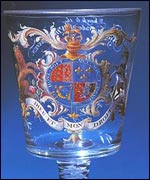 Bielby Goblet Whitehaven was involved in the slave trade ...it was one of the country's busiest ports in the 18th century. But its involvement was a tiny part of its business. Between 1710 and 1769 around 69 ships left Whitehaven bound for the Golden Triangle route (compared to 1250 ships from Liverpool between 1750-69 alone). The names of the merchants involved included Lutwidge, Spedding, Kelsick and Gale. The Kelsicks owned the ship "King George" and the launch of this in 1763 is commemorated by the famous Bielby Goblet which is held at the Beacon museum in Whitehaven. Some of the grand houses built by these merchants still survive in the town. But there were merchants elsewhere in Cumbria making money out of the trade. Ships captains and ships owners in the Furness area were involved for most of the second half of the 18th century with regular voyages to pick up captured Africans. Barrow wasn't a big port until well into the 19th century but a lot of these men operated out of Lancaster or Liverpool. 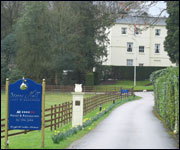 Storrs Hall John Bolton was the son of an Ulverston apothecary who owned several ships. The money he made from the slave trade allowed him to renovate and extend Storrs Hall on Windermere. He had at least twenty servants. The house is now a luxury hotel. The manager, Jan van Stipriaan, showed me round the ground floor which is rich in architectural detail including some wonderful plasterwork on the ceilings. John Bolton clearly had a very comfortable life. We also went down to the cellars where it's rumoured that enslaved Africans may have been kept. Jan isn't so sure about this and says while Bolton did have black servants, they were more likely to be treated as such and housed in the servants quarters upstairs. There are several myths relating to Storrs Hall including one about a curse that may have been put on the family by a slave who said that the house would never be passed from father to son..and it never was! Other names of those involved in the slave trade in South Cumbria include Millerson, Penny, Dodson, Addison, Sawrey, Bainbridge and Tindall. 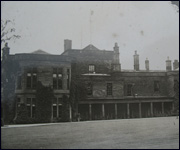 Netherhall in Maryport Could you be related to them? As well as the men making money from transporting the human traffic, there were also those who used slave labour on their plantations. The two most prominent families to do this were the Senhouses and the Lowthers who both had plantations on Barbados. Click on the link below to read more about the Cumbria - Barbados connection. linkOther families had plantations on Antigua, Dominica, Trinidad and Tobago, Jamaica and Grenada. The Cumbrian home of the Senhouses has fared less well than Storrs Hall. Netherhall at Maryport was eventually pulled down in the 1970s after it fell into disrepair. There's only a lodge, stable block and old peel tower there now. And how do the descendents of the these families feel about all of this? 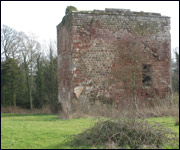 The remains of Netherhall Some would rather not talk. But I did speak to Lyn Wigley from Kent. She's descended from the Senhouses and says she's "not impressed" by their involvement although from what she can tell from family papers, William appears to have treated his slave labourers fairly humanely compared to some other plantation owners. As you can see it wasn't only the merchants in Whitehaven who made money from this trade. This is truly a Cumbrian story, something which has certainly surprised me. *Click on the Creative Partnerships link to see copies of Cumbrian historical documents related to the slave trade. last updated: 01/05/2008 at 16:05
|
| | About the BBC | Help | Terms of Use | Privacy & Cookies Policy |