| 24 September 2014 |

| |
| BBC Homepage | | |
| |||
| Contact Us | | |
AbolitionYou are in: Cumbria > Abolition > The people trying to abolish the slave trade. 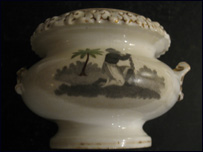 James Cropper's sugar bowl The people trying to abolish the slave trade.Belinda Artingstoll Although there were a lot of men from Cumbria making their fortunes from the slave trade, there were men and women in the county doing their best to end it. They were the abolitionists. Two of the big national players were William Wilberforce and Thomas Clarkson. And they both had links with Cumbria. Click on the link below to find exactly how they are connected to the county and to its most famous poet William Wordsworth. linkBut there were many ordinary men and women trying to abolish the trade as well. The records office in Kendal has posters from the time advertising meetings encouraging people to join the campaign. Some of these meetings were organised by the Quakers (Society of Friends) who had been campaigning against the slave trade for many years. 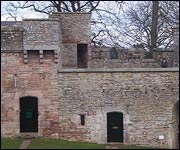 Brougham Hall I've also seen reports in local papers like the Cumberland Pacquet describing what was discussed at these meetings. The papers also said that petitions were passed round towns like Maryport or Cockermouth trying to persuade people to add their names to the campaign. Britain's involvement in the slave trade ended in 1807 but the fight continued. People were still allowed to own slaves and use them as labour on their plantations even if the traffic from Africa had stopped. 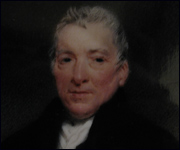 James Cropper, the abolitionist A leading light in the post 1807 campaign was Henry Brougham, his family owned Brougham Hall near Penrith, although he spent most of his time in Edinburgh and then London. He became an MP and was very involved in pushing through the 1833 act which gave freedom to all slaves in the British Empire. Another man who played a leading part in keeping the campaign going was James Cropper. The Cropper family is now very well known in Cumbria because of their papermaking activities near Kendal. But in the early 19th century, James was involved in shipping in Liverpool. He hadn't been involved in transporting slaves but he had been importing slave-produced cotton from the Deep South.  Croppers papermill This was at odds with his Quaker beliefs and increasingly he was determined to help end slavery altogether. In the 1820s he led moves to set up a society in Liverpool to further this cause. He also helped to fund a major tour of the country by Thomas Clarkson to promote the anti-slavery message. 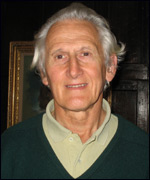 James Cropper His descendent, also called James, who's the current chairman of James Cropper Plc told me that his ancestor was so committed that he bought thousands of tiny bottles and filled them with sugar. The sugar came from countries that didn't use slave labour and the idea was that the bottles would be sent to MPs and other public figures to show them that "free-grown" sugar tasted just as good as slave-produced sugar. James also showed me a sugar bowl with a picture of an enslaved African in chains on the front. This was part of a larger tea service ( all now gone) which his family had commissioned to show their commitment to the abolition campaign. On the back of the bowl is an anti-slavery motto. "The people of the land have used oppression and exercised robbery and have vexed the poor and needy". 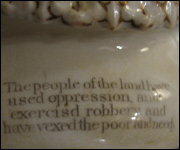 The anti-slavery verse on the bowl As I sat in James' sitting room holding this sugar bowl, I have to admit it sent a shiver down my spine to think I was holding something so closely related to that part of our history. *Click on the Creative Partnerships link to see copies of Cumbrian historical documents linked to the slave trade. last updated: 01/05/2008 at 16:05 You are in: Cumbria > Abolition > The people trying to abolish the slave trade.
|
| | About the BBC | Help | Terms of Use | Privacy & Cookies Policy |