There are many different parenting styles, and helicopter parenting is one that you might have come across whilst scrolling through social media, reading a parenting blog, or watching a TV show. But what does helicopter parenting actually mean?
Bitesize Parenting looks into the popular phrase to find out what it's all about.
What is helicopter parenting?
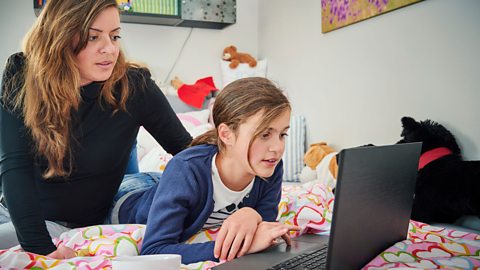
Helicopter parenting is when parents closely monitor their children, or are overly protective of them. It gets its name from the way parents may 'hover' around their child, a bit like a helicopter.
One of the earliest uses of the phrase was by Dr Haim Ginott in his 1969 book 'Between Parent & Teenager', but the term has become popular in recent years due to mentions on TV shows and social media posts.
What are some examples of helicopter parenting?
Helicopter parenting often includes things like constantly monitoring your child's activities like school work or extra curricular clubs, making decisions on behalf of your child, or communicating directly with teachers instead of encouraging your child to do so. It can also include stepping in to solve problems that your child might encounter.
Some of our Bitesize Parenting Panel told us about the importance of rules like curfews and ‘checking in’ while their child is out and about, especially in older children, which they say helps them feel more confident in giving them the freedom and space they need at that age. However, some of the parents we spoke to were less keen on keeping track of their kids.
Helicopter parenting isn't limited to older children and teenagers – it can start at a young age. In younger children 'helicoptering' might include constant supervision during play, at the park or preventing minor risks such as trips or falls by not allowing children to run or climb, for example.
Psychology lecturer Dr Sandi Mann told us that making mistakes is key to building resilience in children.
Dr Sandi says: "You could even encourage them to make mistakes. Whether that be with homework, or craft projects or creating a new dish for supper – encourage them to take risks. Show them that making mistakes helps us learn – how will they know that sprinkling in a chosen spice creates an unpleasant taste if they don’t try, or that adding red to the paint won’t give them the hue they were after unless they experience it for themselves?"

Does helicopter parenting cause anxiety?
Parents who take the helicopter approach usually mean well, but research has shown that helicopter-style parenting can increase anxiety and reduce independence in children and teenagers.
Professor of Child Psychology at the University of Exeter, Helen Dodd, says that adventurous play is particularly helpful in the prevention of things like anxiety in children, because it’s about children learning to feel uncertain.
Helen suggests that parents should try reflecting on the kind of example they are setting when their child feels nervous or insecure about something, and think about what kind of role model they want to be for their child. She says: “Do you want to model ‘I’m nervous but will give it a go’ or ‘I’m nervous and will avoid it’?" You could try doing some adventurous play together with your child. Having those exposure experiences together can be fun and feel quite nice. But you can also decide to sit back and watch. By being a helicopter parent, some experts say you aren't encouraging kids to thrive, and truly spread their wings to fly.

More from BBC Bitesize Parenting…
Bitesize Parenting
Fun activities, real-life stories, wellbeing support and loads of helpful advice - we're here for you and your child.

How to tackle anxiety with Dr Anna Colton
Dr Anna has made seven short films with easy to learn techniques.