When Dolly Parton died at the end of August 2026, it seemed the whole world had a heavy heart and wanted to pay tribute to her.
Some people posted messages on socials, sharing videos and memories of her past performances. Other people created and uploaded AI-generated images of Dolly.
The content of some of those AI tributes led Dolly's sister, Stella Parton, to thank fans on Instagram but to add that a "tremendous amount of AI and endless garbage" had been posted, asking people to show "more compassion".
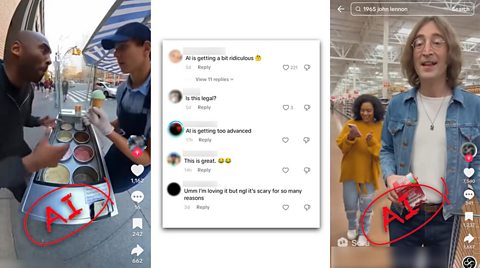
It's the latest backlash to an online AI trend which involves ‘resurrecting’ deceased celebrities in bizarre and unexpected situations, including basketball legend Kobe Bryant ‘arguing with an ice cream man’ and former Beatle John Lennon ‘buying tea in a supermarket’.
But how are these videos being generated and are they just a bit of harmless fun? BBC Bitesize Other Side of the Story takes a closer look.
What is the deceased AI celebs trend on socials?
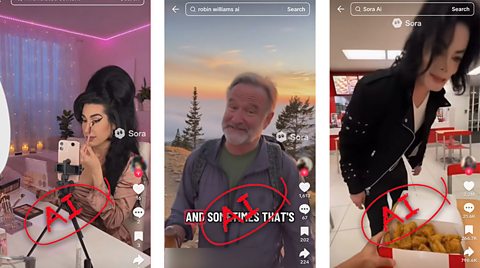
Videos that have appeared in recent years include the late Michael Jackson nabbing a box of chicken nuggets from a fast food restaurant, and another of legendary singer Amy Winehouse, who died in 2011, doing a makeup tutorial. But while these videos have raked up millions of views on TikTok, there have been calls about whether they are ethical.
There are cases of the voice, or likeness, of dead celebrities being generated using AI in movies, music and gaming. These occurrences will usually have the permission from the family and estate of the deceased, whereas the videos currently appearing on socials won't have the same approval.
Zelda Williams is the daughter of Robin Williams, who was a comedian and the star of Aladdin and Jumanji. Williams died in 2014, but has featured in many of the AI videos, which has caused Zelda to question the ethics of the trend. Zelda posted on her Instagram stories: "Please, just stop sending me AI videos of Dad." She continued, "If you've got any decency, just stop doing this to him and to me, to everyone even, full stop. It's dumb, it's a waste of time and energy, and believe me, it's NOT what he'd want."
How are AI videos of dead celebs made?
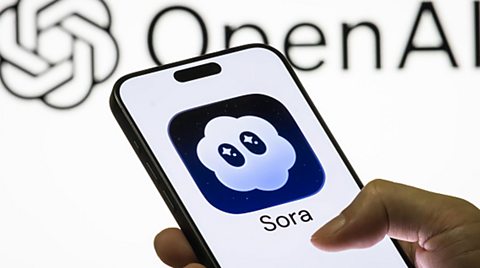
The videos of celebrity resurrections were made possible with apps like Sora. Sora was a realistic video generation tool created by OpenAI, the company behind the gen AI chatbot ChatGPT. Sora was a main source for the videos, with more than 400k TikTok posts using the hashtag #Sora in October 2025.
OpenAI discontinued the Sora app in April 2026. However there are alternative apps for making similar videos and images that are still available.
Before it shut down, OpenAI had strict rules on the likenesses of living celebrities being used in videos. There were fewer issues in using historical figures, where many years had passed between their death and videos being created featuring them.
When videos were made featuring famous people who had only recently died, OpenAI would remove them if a representative of the family requested it. This happened with videos featuring Michael Jackson, who died in 2009.
OpenAI released this statement: “While there are strong free speech interests in depicting historical figures, we believe that public figures and their families should ultimately have control over how their likeness is used."
What does the law say about the use of celebrities in AI?
The rules around using the likeness of famous people who are alive is strict.
In May, two men in the United States were charged by prosecutors under a new law after they made inappropriate AI videos of celebrities. It is part of the Take It Down law, introduced in the USA in 2025 in an attempt to stop deepfakes being shared without the subject's permission, among other acts.
In the UK copyright law protects a person's works, such as books they've written or films they've directed for up to 70 years after their death, but this doesn't apply to likenesses of people.
You can find out how to spot AI images on social media here.
This article was published in October 2025 and updated in September 2026

Not sure if the news you’re seeing on social media is true or false? Can you always tell if the things you see online are real or fake?
Learn how to get the other side of the story with our quizzes, videos and explainers about media skills and viral trends including popular food myths.
Quiz: Can you spot the fake news stories from September 2025?
Find out which viral news stories from this month are real or fake with this quiz