Image source, Channel 4/Patch Dolan
This article reveals details of The Great British Bake Off final.
After 10 episodes, 30 challenges and lots of delicious cake, we finally have our Great British Bake Off winner!
Twenty-two-year-old Political Economy student Moyin Odeniran, from Essex, impressed the judges in the final to take home the trophy. His signature citrus celebration cake, "All About Lemon", wowed judge Paul Hollywood, who said it was: "One of the best cakes I have had for a long, long time."
Alongside being a keen baker, Moyin balances his studies with athletics and a part-time job. So, we thought we'd take a look at ways you can balance your study with extracurricular activities, all inspired by Moyin.
Image source, Channel 4/Patch Dolan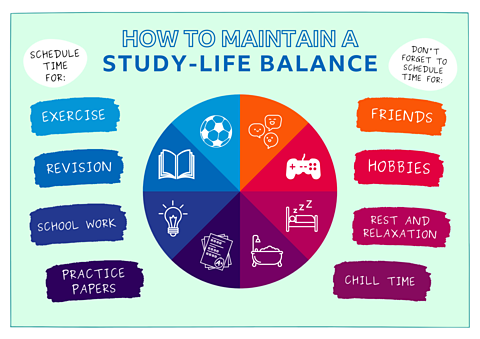
1. Strike the right study-life balance
Moyin said: "My dissertation was due a month after we finished filming so a very busy time for me, but I did manage to get a first." Despite being busy with his studies, Moyin still managed to fit in time for all of his bakes too, proving that with a bit of planning you can make time for both study and your hobbies.
Revision season can be tough, so its really important that you get the balance right and make time to do the things you enjoy. Our Mind Set experts told us that looking after yourself during your revision and exams, physically and mentally, is very important. Anxiety Josh recommends that exercise is a great way to destress and feel happier, something Moyin does plenty of, as he is a competitive sprinter and was crowned U20 County Champion in the 100m.
If exercise isn't your thing, then make sure you schedule time for other fun activities as well as your revision and school work!
2. Plan time for breaks
Moyin said of his time on Bake Off: "I did get quite exhausted especially around Bread Week. My friends came over to the house at 11.30 pm one night, took me to a supermarket to buy the ingredients and made me make the garlic breads that night. They were all a great support system."
Mind Set student, Lauren, says that having a regular sleep pattern whilst studying is so important as it helps your memory consolidate your revision. So try not to overdo it during revision season, if you feel exhausted take a break. You could make a revision timetable to help you manage your time, but remember, its important to build plenty of rest breaks into your day.
 Image source, Channel 4/Patch Dolan
3. Be flexible and respond to feedback
The route to the final wasn't always plain sailing for Moyin, who said: "Earlier on, some of the challenges were quite difficult for me and I was shocked that I kept going through." Moyin continued: “I think the biggest thing for me throughout was the learning and listening every single day to the advice from Nigella and Paul. So you improved each time, taking little steps, and that gave you more confidence."
When you're trying to balance revision, school, hobbies, and life, things won't always go exactly to plan, and you may have feedback from teachers or experience results you weren't expecting in tests or exams. Rather than panicking, it can help to build some flexibility into your schedule. Allowing extra time to focus on a tricky subject, or topic, and making small changes early on, could help you stay on top of your workload, while still allowing time to do the things you enjoy.
Dr Anna Colton, told us, "A setback doesn't define you. Use the feedback to help you understand any errors or misconceptions and then clear them up. Whatever happens, don’t panic."
4. Don't be afraid to try new things
Moyin prides himself on his experimentation in the kitchen, saying his super power is "not being scared to try new things". He added: "Whenever I try something that I have never done, I see it as an opportunity to learn about a thing that I might fall in love with."
Trying new ways to revise could help you find more effective ways to study. You might find that creating mind maps, watching videos, testing yourself with quizzes or explaining concepts to someone else helps you learn more effectively.
Understanding how you learn best is known as metacognition. The more aware you are of your own thinking, including your strengths and areas to work on, the more efficient you can be with how you focus your attention and develop skills, leaving you with more time to do the things you enjoy.
Trying new things isn't just about revision or schoolwork. It could mean taking up a new hobby, joining a club at school or simply giving something you've never done before a go. It might feel a little scary or outside your comfort zone at first, but it's a great way to build your confidence, discover new interests and develop skills you didn't know you had. And who knows where a new experience might take you?
If you've been inspired by Moyin, then check out our study skills pages on Bitesize Study Support.
Image source, Channel 4/Patch Dolan
If you need support
You should always tell someone about the things you’re worried about. You can tell a friend, parent, guardian, teacher, or another trusted adult. If you're struggling with your mental health, going to your GP can be a good place to start to find help. Your GP can let you know what support is available to you, suggest different types of treatment and offer regular check-ups to see how you’re doing.
If you’re in need of in-the-moment support you can contact Childline, where you can speak to a counsellor. Their lines are open 24 hours a day, 7 days a week.
There are more links to helpful organisations on the BBC Bitesize Action Line page for young people.
Exam Essentials
Our exam veterans give you some expert tips on how to boss your exams.

Revision and exams: How to be resilient
Advice on how to handle setbacks during revision and exams season.

How to revise: Planning and timetables
Some top tips to help you get organised with your revision.