There’s nothing like bringing different flavours together.
You may be a fan of salt and pepper chicken, dipping your fries in your milkshake or mixing it up with peanut butter and jam on toast.
But for the summer of 2026, it seems there’s a whole new combo coming our way. A mix of refreshing fruit with some serious spice - otherwise known as ‘fricy’. It's been tipped by some food websites as the next big trend, but what have the socials been saying? BBC Bitesize Other Side of the Story took a closer look.
What is fricy all about?
The term is already catching on with food websites who are publishing recipes for dishes that contain rhubarb with chillies, pineapple and jalapeño peppers and even a steak served up with spicy strawberries.
Bringing fruit and spices together means you get a sweet flavour with the sensation of heat that something like chilli can bring. It's not new though. Blending the two together has featured in traditional food in countries such as Vietnam, Mexico, Thailand and Sri Lanka for centuries.
There’s also some science behind fricy dishes. Food scientist Brittany Towers told the magazine Business Insider that the sugars in fruit can help calm down the heat we get from, say, a hot chilli - making it easier to eat for people who don’t usually enjoy spicy food.
How have socials reacted to the fricy trend?
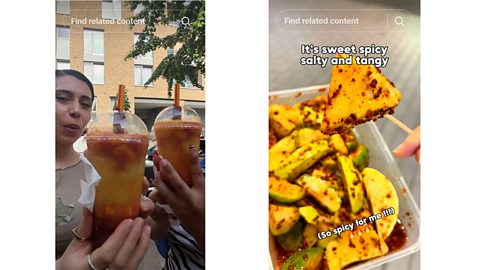
Although the hashtag #fricy hasn’t quite gone viral yet, there are plenty of examples on TikTok and Insta where people are either trying fruity-meets-spicy drinks and dishes, or talking about the term.
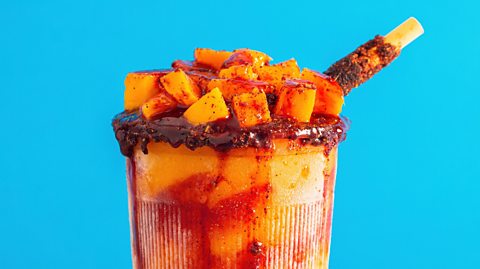
One example is mangonada, a Mexican drink that includes mango and chilli among other ingredients. It’s had more than 47k TikTok posts with people trying the fricy taste for themselves.
Spicy fruit bowls could also be part of the fricy trend. A popular street food in countries such as Vietnam and Mexico, it’s a simple combo of fruit such as pineapple and mango covered in spices like chilli.
Why do trends like fricy become popular?
When foods start gaining traction on social media, they quickly build an emotional pull. Food has a unique appeal because, quite simply, we all have to eat. And with more than one billion posts on TikTok alone related to food, social media can have a huge influence on what people choose to try next. This is where teasing headlines, known as clickbait, can generate lots of hits on a single post. They make bold claims, such as 'You just HAVE to try this fricy dish!' that we're likely to be nosey about, and give the post a click.
That’s one of the reasons ube has featured on so many posts in 2026, after the flavour was introduced in some coffee shop chains. Its striking purple appearance gave it visual appeal and possibly made people curious to find out more - or even give it a taste.
The same can be said about the fricy mangonada, with its vivid yellows, oranges, reds and browns. The more we see these images, the more curious we become about them. In the case of fricy food, it’s not just one dish or drink either, there could be whole menus that people want to try.
If an influencer with a large following starts to take notice of fricy food, then it could go viral more quickly. It might even happen that a company who could benefit from fruit and spices becoming popular will pay influencers to post about them on their socials. Once the trend becomes established, it will become part of everyday life (for as long as the trend lasts), and that familiarity could make people more willing to try a fricy snack for themselves.
If food is something you look for a lot on your socials, there’s a good chance that an algorithm has already suggested posts about fricy food to you. If you’re more interested in fashion or football, then maybe not, so fricy may only exist in your foodie echo chamber - for now.
Find out more about food trends in this Other Side of the Story collection.
This article was published in May 2026

Not sure if the news you’re seeing on social media is true or false? Can you always tell if the things you see online are real or fake?
Learn how to get the other side of the story with our quizzes, videos and explainers about media skills and viral trends including popular food myths.

What is the Japanese cheesecake yoghurt trend?
Two ingredients that have taken over TikTok
Other Side of the Story
Back to our homepage for more quizzes and explainers about fake news, viral trends and media skills.