 | 13 November 2014 |

| |
| BBC Homepage | | |
| |||
| Contact Us | | |
Colin EvansYou are in: Berkshire > Local radio > Colin Evans > Colin Evans garden tips 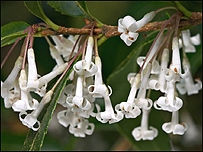 Osmanthus heterophyllus Colin Evans garden tipsBaton down the hatches because winter's coming. Luckily Colin will still bring a ray of colour to your garden with his fantastic horticultural suggestions. These include a very bright shrub going by the name of Osmanthus. At last I've managed to cut the lawn. The build up of leaves was very untidy. I like to see the garden looking good all year round. If you cut the top off the lawn and trim the edges, the whole garden looks much better. I also cut down the old tomato plants, sweet peas and removed the last few remaining old flower heads in the herbaceous borders. The reward for all my hard work was two large delicious figs. 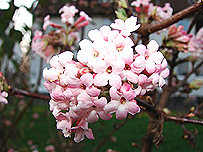 Viburnhum bodnantense I've been watching them ripen during the last three weeks and they were terrific to eat. I've harvested the last of the runner beans and cut the tops off the potatoes. These have been happily growing in tubs of compost for the past three months. I'm leaving the potatoes in the compost as this will protect the tubers from frost. They'll last as long as I keep them covered and will be great when it’s time to cook them.  The garden is beginning to look as though winter isn't far away. However, the perfume from the white flowers on the Osmanthus shrub is filling the air, so I've decided to make it plant of the week. Osmanthus heterophyllus has rich dark holly like evergreen leaves and fragrant white flowers in September and October. The sweetly scented flowers hang in little clusters on their ends of the stems. If you want something a little different then the variegated selection, 'Variegatus' is a good for containers. Propagate from half ripe cuttings placed in cold frames in July. 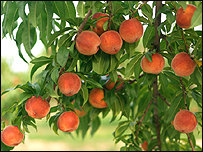 Peach tree Feed winter flowering shrubs such as Viburnum bodnantense and Lonicera purpusii with a slow release granular fertilizer, for better flowers later in the season. Cover the root area with a mulch like forest bark or compost. This will keep the root system moist and the worst of the winter frosts from damaging the roots. Once shrubs have finished flowering, take the new growth made this year and turn them into cuttings. Cut back hedges especially evergreens such as conifers. The debris can be chopped up and used as mulch. However, you need to add a little slow release granular fertilizer to feed the organisms, which break down the stems. 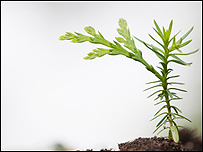 Conifer seedling The conifer once cut can be used to line winter hanging baskets. When the leaves have completely fallen, spray peach trees with a Bordeaux mixture to combat peach leaf curl. Use this opportunity to remove unhealthy growth and cover Peaches in pots with some gravel. This will prevent water splash onto the plant and protect the stems from frosts. Happy Gardening last updated: 20/10/2008 at 13:02 SEE ALSOYou are in: Berkshire > Local radio > Colin Evans > Colin Evans garden tips  Podcast[an error occurred while processing this directive] |
| | About the BBC | Help | Terms of Use | Privacy & Cookies Policy |
