 | 13 November 2014 |

| |
| BBC Homepage | | |
| |||
| Contact Us | | |
Colin EvansYou are in: Berkshire > Local radio > Colin Evans > Colin Evans garden tips  Colin Evans Colin Evans garden tipsMore top gardening tips from BBC Radio Berkshire's Colin Evans. This week he talks apples 'n' pears, he shines the spotlight on the Morello cherry and also plants that can be put in soil now in preparation for a colourful spring. Heavy rain and early morning frosts have at last loosened the leaves and they are falling to the ground in readiness to make fantastic compost for next seasons growing, which means they have to be cleared up first. The general rule of thumb is get the leaves cleared as soon as they cover the ground, the borders can take them but the lawn is not too happy as the fallen leaves hold not only moisture but over-wintering fungal spores as well. Each week I get out into my garden and remove the leaves. 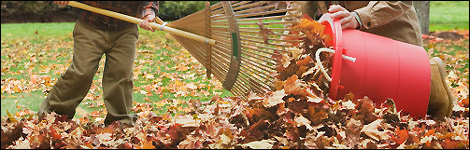 Rake those leaves The balance of leaf derbies can be cleared using the mower but in wet conditions this can be impossible so make use of the wire lawn rake and the lawn will flourish. With leaf fall brings other jobs to tackle. I spent a wonderful morning this week pruning my Conference Pear tree, pruning fruit trees, next to deep digging and mowing, has to be one of my favourite jobs, and it's always good to know that the technique of fruit tree pruning has not eluded me. 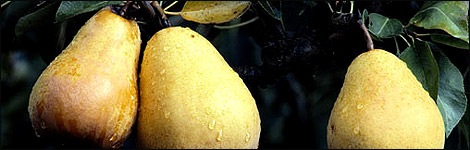 I spent the first two years of my horticultural career working on a fruit farm in Kent, and I learned such a lot that it has never left me. Recently I spent an afternoon at The RHS Gardens at Wisley and was bowled over by the colour of Woodland Cyclamen growing under the many trees.  Woodland Cyclamen The colours ranged from white through to yellows, blues, purples and reds and looked so natural growing under the huge deciduous trees. When planning your garden next year perhaps consider this lovely little plant to include in your winter and spring bulb border. I'm a great fan of fruiting trees and feel we should all have at least one in our gardens. You don't need a lot of spare space as you did years ago because the plant breeders have made it possible to plant fruiting trees against walls and fences and sometimes in containers because grafting the variety on to dwarf rootstock's means less growth. 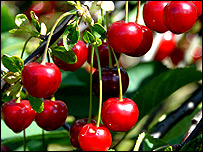 Morello cherry (C) Stephen Shirley Plant of the weekMorello Cherry fan trained against a wall or fence now in a sheltered place will give not only beautiful blossom in the spring but super cherries ripe for bottling and preserving in the winter. As I have mentioned, apples and pears can now be pruned. The simple way is to remove all dead, diseased and decomposing wood and then stand back and look at what's left. Then ask yourself how low the tree has to be to make both maintenance and harvest easiest and once decided you can prune using that principle.  Apples and pears Most of us worry about removing too much, however, in my experience, the tree that looks as if has been struck by lightning is the one producing the heaviest and best crop next year. But remember, once the wood has been removed you can't stick it back, so be warned. The next stage is to remove wood from the middle of the tree making an open centre. Having completed that then cut all wood back by a third of it's length back to and above an outward facing bud. Clear all prunings from under the tree and leave nature to work wonders ready for a full blaze of blossom next spring. 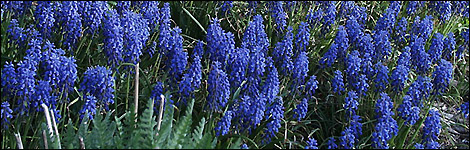 Grape Hyacinth Plant Muscari Latifolium (Grape Hyacinth) twice their own depth in well dug and mulched soil with a little fertilizer added. Once firmed in these lovely miniature blue flowered bulbs will produce a mass continuous colour throughout late spring and early summer. Muscari can also work very well in both troughs and hanging baskets and should be included in rockeries and scree gardens. 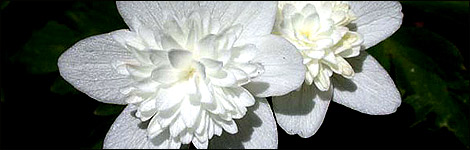 Anemone Nemorosa If the wooded area in the garden lacks colour then you can do no better than to plant Anemone Nemorosa under the trees. These woodland plants are easy to look after, in fact they look after themselves and need very little treatment. Make sure the ground is well dug with plenty of humus and plant them three times their own depth under trees and other shaded areas in your garden. In the spring their light white with flecks of blue, yellow and pink blooms will illuminate the garden especially on the gloomy days of late winter. last updated: 18/08/2009 at 11:00 SEE ALSOYou are in: Berkshire > Local radio > Colin Evans > Colin Evans garden tips  Podcast[an error occurred while processing this directive] |
| | About the BBC | Help | Terms of Use | Privacy & Cookies Policy |
