 | 24 September 2014 |

| |
| BBC Homepage | | |
| |||
| Contact Us | | |
Colin EvansYou are in: Berkshire > Local radio > Colin Evans > Colin Evans 20.08.07  Colin Evans Colin Evans 20.08.07More top gardening tips from BBC Radio Berkshire's Colin Evans. This week he talks about how to achieve a colourful garden for this time of year, what to do if you're sowing a new lawn and much more! I guess as a nation, we tend to talk about the weather a lot, and as a gardener, the weather plays a big part in how the garden fares during the growing season, so it is for that reason that I make no topologies for talking about the weather in this edition of the BBC Gardening webpage. I don't think I have known such a poor gardening season in many years and what a task it has been to get the easiest of crops to reward us with superb fruits and vegetables. 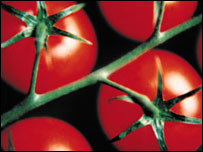 Tomatoes The spring flowers were wonderful and I don't remember a better year for roses flowering than this one, but talk to gardeners who have been nursing their tomatoes and their runner beans and they will tell you a different story. The season started well, though a little cold, followed by the best April for sometime and we all thought this was a sign that summer would yield dawn to dusk sunshine and cloudless skies. Well, you now know the answer, so let's hope for an Indian summer, we could do with it. If you are one of the gardeners who have been affected by this poor early summer, then don't despair because there is still time to get lettuce, radish and beetroot into the ground for harvest in a few weeks time. 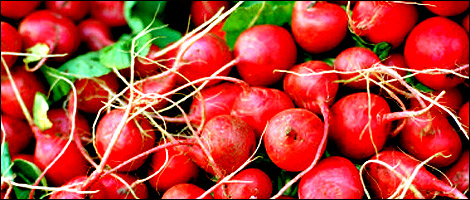 Radishes Also, winter crops like broccoli, cabbage, brussels sprouts and other leafy crops can be sown now and if you are quick. Late potatoes varieties as well, especially if you are growing them in large pots, dustbins or barrels. So, you see, as gardeners, we can still overcome the weather conditions, no matter what nature throws at us. And bear in mind, even, if you are temporarily living in the tropics of the Far East, although it's hot, they still have their fair share of rain and still battle with blight and aphids just the same. Nice to know we are not the only gardeners who battle the elements, I know because I read a similar in flight article to this one written by an Australian gardening expert about the plight of domestic gardeners in Singapore. So there. It's good to get some real colour into the garden at this time of the year and so much can be achieved by the use of flowers growing on hardy shrubs. 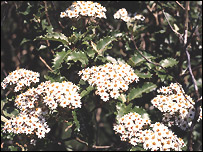 Olearia Macradonta Plant of the weekOne I use a lot in my schemes is Olearia Macrodonta, better known as Daisy Bush. Most plants will be in full flower now and looks every inch a shrub every garden should have. This is one of the easiest shrubs to grow as it will tolerate full sun or even a shaded corner, in fact, it will even tolerate drought conditions. The white fluffy flowers cover the the whole of the shrub and make a great display either in a mixed border or as a specimen plant on it's own. Lavender this year has been flourishing and yours may well have flowered profusely and by now some will be fading so get out the hedging shears and simply cut the old flowers from the main stems. 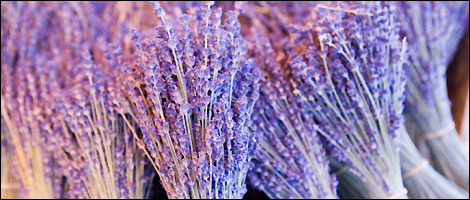 Lavender You can keep the flowers and dry them for use in doors at some point or take the fleshy parts of the stem as cuttings. Feed the base of the plants with a granular fertilizer and mound up a little mulch at the base of each plant. Take cuttings of Rosemary by snapping off the tops of the plant and pushing the cuttings into pots of compost or push into the open ground. 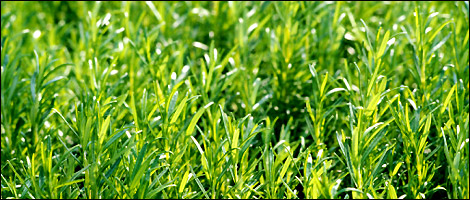 A field of Rosemary Keep watered and then leave well alone throughout the autumn. Give the cuttings some protection during the winter months with horticultural fleece and you will be rewarded with new plants next year. September is the best time of year to sow new lawns from seed so prepare the ground now.  Resowing your lawn? Wait until the soil is drier and then remove all weeds and rake over the area and level. Keep newly emerging weed seedlings down by hoeing and if they persist then spray with weedkiller. In September rake the area over again and then distribute the grass seed evening over the newly prepared ground. Firm in and water and in a few weeks new grass will appear. Happy Gardening! last updated: 21/08/07 SEE ALSOYou are in: Berkshire > Local radio > Colin Evans > Colin Evans 20.08.07  Podcast[an error occurred while processing this directive] |
| | About the BBC | Help | Terms of Use | Privacy & Cookies Policy |
