| 24 September 2014 |

| |
| BBC Homepage | | |
| |||
| Contact Us | | |
Berkshire Floods 2007You are in: Berkshire > Features > Berkshire Floods 2007 > Flooding: What to do afterwards 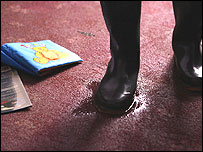 Can you rescue the carpet? Or the toys? Flooding: What to do afterwardsBy Sam Slater When your house has been flooded it can be difficult to know where to start when it comes to cleaning up. Here we bring together the best advice from a variety of websites. If your house has been flooded, it can seem like it's impossible knowing where to start. But then, when you start looking for advice, there are hundreds of councils, companies and websites with hints and tips. So we've brought together the best suggestions in Q&A form below. Use the form at the bottom of this page to share your own advice with fellow BBC Berkshire visitors. 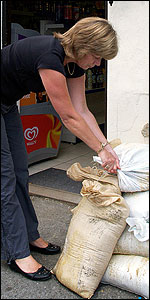 Where do you put sandbags after a flood? What should I do with the sandbags?Floodwater can contaminate sandbags, so it is important to safely dispose of them. Most councils won't do this for you, so take them to the tip. Businesses should get a commercial contractor to remove them. Wet sandbags are heavy so don't move them alone, and make sure you wear protective clothing and gloves. Will my insurance cover the damage?The Association of British Insurers (www.abi.org.uk) say most household policies provide flood cover. Call your insurer as soon as possible and get their approval before going ahead with repair work. If you are a tenant with contents insurance you'll be covered in respect of your contents and any fixtures and fittings which belong to you. Buildings insurance is normally the responsibility of the landlord. What can I claim on my insurance?If you are insured then find and check your policy. This will tell you exactly what your insurance company will pay for. Most policies cover the cost of alternative accommodation (up to a specified limit) if you need to move out of your home while it is being repaired. You might be entitled to drying apparatus and electricity and gas inspections too. In most cases the insurance company will appoint an agent to assess and arrange for repair work. Make sure you give them details of any temporary address and contact numbers. What will I need to do for the insurance company?Take photographs or video footage of all damage, both to your property and your possessions, and mark the water levels on the walls for reference. When you are carrying out the repairs keep all receipts. What do I do if I have a complaint about how my claim is being handled?First of all, call or write to your insurer keeping a note of what you have said. If you're not happy then contact the Insurance Ombudsman, who will investigate the complaint. What do I do if I am not insured, or underinsured?If you don't have building or contents insurance then you will have to pay for any flood damage to uninsured property. If your property or its contents are underinsured you may be subject to reduced cover. There is a Social Fund which can offer people in this situation two types of support:
Contact your local Citizens Advice Bureau for more information. People who live in the Reading area can contact 0800 939 0900 if you are uninsured or a tenant and are made homeless. Can I get help filling out my insurance forms?Your local Citizens Advice Bureau may be able to help fill out insurance forms. Numbers for your local office at the bottom of the page. 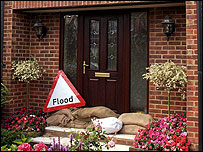 What do the insurance company need to know? Can I turn on the electricity?When you first return home, switch off the electricity supply and do not reconnect it until it has been approved by a qualified electrician. Make sure you check sockets, switches and appliances before use and use a circuit breaker for additional protection. If your electricity supply is unavailable you could hire a generator - see our list of useful numbers below. There might not be many available so consider sharing with neighbours and use only for essential needs. Any electrical appliances exposed to floodwater should be checked by a qualified person before use. Can I turn my gas on?If your gas meter or any gas appliance has had any water in it, make sure you have a registered CORGI engineer look at it and approve it before switching the gas on or trying to light any appliance. If you have any problems contact the British Gas emergency free phone number on 0800 111 999. Can I drink the water?The mains supply service should not be affected (in quality or supply) by the flooding. People with a private water source, or a well, are advised to boil their water until it has been checked out by a professional. However, everybody should run taps for a short time (a bowlful) to make sure silt has not entered the system and to ensure water taps are cleaned and disinfected before using them for the first time. If you notice a change in the water, such as discolouring or a change in taste or smell, ring your water company. Can I flush the toilet?Drains and sewers are rarely damaged by floods, but they may become blocked and back-up. Check this by flushing the toilets. Report any blockages to your local water company wastewater provider. Should I throw away everything touched by the flood?Clothing, bedding and other soft fabric items such as children's toys can be laundered on a hot wash (60C or the highest temperature indicated on manufacturer's instructions) which will destroy most germs that may be present. It is best to do your washing elsewhere until your property's waste-water system has been checked. Clothes worn during the cleanup can be washed in hot water and detergent. These clothes should be washed separately from uncontaminated clothes and linens. Soft furnishings like carpets, sofas and cushions should be professionally cleaned if they cannot be machine washed. If this is not possible they will have to be disposed of. You will also have to remove and discard all soft furnishings, fittings, wall coverings, cloth, rugs, and drywall (also include mattresses, carpeting, carpet padding, upholstered furniture, cosmetics, stuffed animals, baby toys, pillows, foam-rubber items, books, wall coverings, and most paper products) that are damaged beyond repair. Cutting up carpets makes them easier to remove. You might want to take pictures and keep small samples of carpets and other materials as evidence of damage. Important documents, photographs and books that are water damaged should be wrapped in polythene or plastic bags and frozen for restoration later. All crockery, pots and pans should be thoroughly washed with very hot soapy water before using. If any of these are badly chipped or damaged then dispose of them. You could also use a food safe disinfectant to sanitise them after cleaning. Fitted units, particularly in the kitchen, made of chipboard may not dry out well and will become damaged by absorbed water. Cleaning these properly is very difficult and they may have to be replaced. Don't eat garden or allotment vegetables that have been covered by floodwater. Leave undamaged vegetables in the ground for at least another two weeks and then only use them after thorough washing and cooking. What about food, items in my freezer and medicines?Spoiled food and flooded cosmetics and medicines are health hazards. When in doubt throw them away - don't eat any food that has been covered by, or come into contact with, sewage or floodwater. Frozen food that has been at room temperature for a few hours should also be thrown away. Put contaminated flood-damaged food in black plastic refuse sacks, seal and put out when your next bin collection is due. Make sure shelves, including in your refrigerator, are cleaned and disinfected. What's the best way to dry out my home?It takes a house brick about one month per inch to dry out. The best way to do this is using the central heating system - after gas, water and electricity supplies and appliances and their vents have been thoroughly checked and, if necessary, repaired by a qualified engineer. Initially set the thermostat to 22C or above. If possible use industrial heaters and fans to help air circulation and dehumidifiers to aid the process. Businesses that hire these out can be found in Yellow Pages under 'Flood Damage' as can suppliers of cleaning materials. Good ventilation is essential as moisture must escape for the building to dry properly. Lack of condensation may indicate that the drying process is complete but you may like to hire or buy a humidity meter which will indicate the moisture level in your home. If your home was badly flooded then be prepared for the process to take months rather than weeks. How long will my property smell for?There will be unpleasant smells in your property for some time, even after it has dried out. This will come from damp, pollutants and things like the glue from your floor covering. Although this is unpleasant, it isn't a hazard in itself. You will need to ventilate your property as much as possible, to help dry it out and help get rid of the smells. Householders in flood stricken areas are also being warned about rogue traders.Kevin Byrne, founder of Checkatrade, says that householders should take the following precautions before hiring tradesmen:
Evidence of scams or criminal trading activity should be reported to Thames Valley Police on 08458 505505. USEFUL NUMBERS: COUNCILS
Bracknell Forest Council: 01344 352000
Reading Borough Council: 0118 939 0999
Slough Borough Council: 01753 475111
Environmental Health Service: 01635 519192
Customer service centre: 01628 683804
Wokingham Borough Council: 0118 974 6000 USEFUL NUMBERS: CITIZENS ADVICE BUREAUX
42 The Broadway, Bracknell
Crowthorne Baptist Church, High St, Crowthorne
Redcote House, Holmanleaze, Maidenhead
Minster St, Reading
27 Church Street, Slough
Wellington House, Wellington Road, Wokingham USEFUL NUMBERS: GENERATOR HIRE
HSS, 101 Queen St, Maidenhead: 01628 620983
Hewden, Colthrop Lane, Colthrop, Newbury: 01635 868088
Calleva Pk, Aldermaston, Reading: 0118 981 5151
Hewden, Station Approach, Station Road, Langley, Slough: 01753 548849
Archer Power, Twyford Rd, Wokingham: 0118 979 8110 USEFUL NUMBERS: OTHERNational Gas Emergency Service: 0800 111 999 last updated: 28/07/07 Have Your SayGot some advice on coping with flooding to share? Please pass it on using this form. J Campbell SEE ALSOYou are in: Berkshire > Features > Berkshire Floods 2007 > Flooding: What to do afterwards |
| | About the BBC | Help | Terms of Use | Privacy & Cookies Policy |