| 28 October 2014 |

| |
| BBC Homepage | | |
| |||
| Contact Us | | |
Colin EvansYou are in: Berkshire > Local radio > Colin Evans > Colin Evans 23.07.07 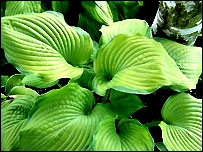 Hosta 'Fran Godfrey' Colin Evans 23.07.07More top gardening tips from BBC Radio Berkshire's Colin Evans. This week he talks about his plant of the week, how to tackle plant pests and fungal disease as well as advice on how to keep your citrus plants healthy. This summer so far has been a very changeable one. First it's cold then hot, then dry and afterwards wet. How can we keep up and what's more, how can the plants in the garden cope with the ever changing conditions? Well, nature is wonderful at coping and sometimes better than us, the only problem is one of pests and diseases and because of the warm and wet, fungal spores have been having a field day. 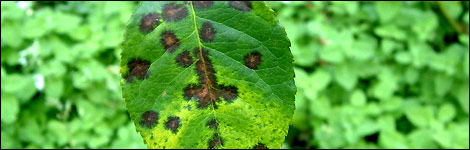 Blackspot on a rose Black spot on roses and mildew and scab on the fruit trees has been rife the past few weeks. So many of you have called me on my Sunday gardening phone in about these very problems which are affecting so many trees and shrubs as well as vegetables and perennial plants that I have been hard pressed to keep up. The good news is that there are many solutions to tackle these problems including keeping plants well fed during the growing season through to winter pruning to rid trees and shrubs of the unhealthy wood. While many of you are prepared quite happily to do this you are less inclined to carry out chemical control when I suggest it. There seems to be this general feeling that garden chemicals are not safe, that they kill off wildlife and beneficial insects and worst still, effect the health of your cats and dogs.  Colin Evans Well, I can assure you that garden chemicals, in the history of this country have never been safer. You are at more risk from the preparations you keep under the sink than you are from the products produced to control problems in the garden. In some parts of the tropical world, chemicals are sprayed throughout the cities and the high rise blocks to rid the area of mosquito and this is sometimes done on fortnightly basis, during the day when all manner of people are going about their business, and guess what, the mosquitos are kept well under control. So why should we be any different? I know, I have been there. In Orchard Road, Singapore, to be precise, and not one 'mozzie' to be seen in the magnificent gardens. Tackling pests and fungal diseases when you first spot them is paramount to good growing conditions so to get straight at them in the early stages will mean better crops and healthier flowers throughout the summer. If you have a small garden then you cannot afford to let the pests get the better of you as you may miss planting again and lose a complete year. I am not saying that the so-called green, organic and biological controls should not be considered - they should. But be aware that some of these work a little slower and in some cases the conditions when applications are made have to be just right for them to work effectively and quickly. The best advice I can give you is to select which product is best for you either chemical or biological, and follow to the letter the instructions on the packaging. That way you can't go wrong. 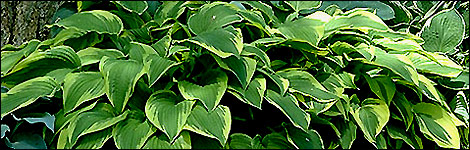 Hosta Plant of the weekMy plant of the week is Hosta. I just love them. And so do the slugs and snails, so early control is a must. Grown in tubs they can will sometimes defeat the slimy ones especially if you keep a saucer at the base of the pot filled with water. I like the very large leaf varieties and none is better than Hosta 'Fran Godfrey'. 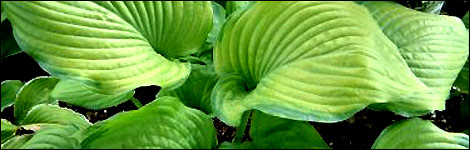 Hosta 'Fran Godfrey' This large Hosta has stunning matt ribbed leaves which work well with purple and blue flowering shrubs or under plants. The flowers appear during July through August and are a pale white. Dig in plenty of organic matter when planting and providing they are protected fro the slugs and snails they will come up year after year. 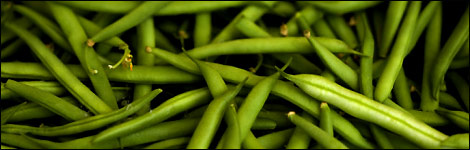 Runner beans Runner beansRunner beans have been rather slow to make the usual growth by now so make sure you keep up the feeding, especially if they are growing in containers and don't let them dry out. Relying on the rain will create problems with erratic growth and the beans when they emerge will be of poor quality so water each plant individually and keep them well replenished because the sun, when it does shine is very hot. You may also find that black fly, the same family as aphids, have taken up residence on the new growth and if this is the case they must be tackled swiftly by spraying the infestations with jets of water or applying horticultural soft soap. Alternatively a spray over with a fast acting Aphid killer will do the trick.  Buddleia BuddleiaBuddleia will grow just about any where from old building sites to rooves and gutters. This shrub has to be one of the easiest to grow so you can propagate your own plants ready for flowering next year. The flowers will still be colourful at present in most gardens but once they begin to fade you should remove the old flower heads and lay them in the sun in a dry place to remove any moisture from the seed heads. Once the drying has been carried out, shake the heads into a paper bag and the seeds collected can be sprinkled onto pots of multi purpose potting compost where they will germinate quickly. Stood in a sheltered spot and kept evenly moist you will be able to pot on the new plants by autumn. 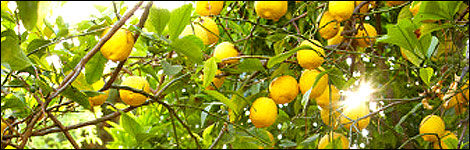 Lemon tree Oranges and lemonsCitrus plants such as orange and lemon must be fed on a regular basis now - say once a week - to keep the fruits healthy. Indoor plant feed will do but, the special citrus food available at the garden centre is better. Watch out for pests and diseases and spray with your chosen preparation when infestations strike. Citrus need plenty of light and if the foliage looks brown and unhealthy then just cut off the offending material with secateurs. If the plants are easy to move around then stand them outside to give them fresh air throughout the summer months. They are hardier than you think. Happy gardening! last updated: 23/07/07 SEE ALSOYou are in: Berkshire > Local radio > Colin Evans > Colin Evans 23.07.07
|
| | About the BBC | Help | Terms of Use | Privacy & Cookies Policy |