 | | Colin Evans |
I can't believe we are almost into the first half of the year and it seems as though the gardening season has only just got going. The weather has kept us on our toes with the hot days of April to the cold and wet days of May and the constant battle to keep the plants in the garden from getting battered down by heavy rains and strong winds. The plants in the green house and especially hanging baskets have been a challenge too, making us wonder if we should get the plants outside, after them getting comfortable in the greenhouse and under cover over the last two months. 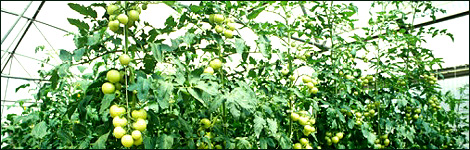 | | Tomatoes in a greenhouse |
Just getting it right with balancing the inside shelter and temperatures with the outside has kept us on our toes, but now, many plants will need to be outside otherwise tomatoes and hanging basket plants will become leggy and weak and will take a while to recover. I would say now is OK to risk getting plants that need to be outside out from under cover and let them take their chances as weather conditions are bound to improve once May is out of the way. Plant of the week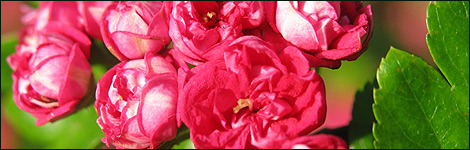 | | CRATAEGUS 'Paul's Scarlet' |
One tree that has has been very much in abundance is the Hawthorne. The one we have all admired with its double pink flowers over the past few weeks is CRATAEGUS 'Paul's Scarlet'. This hardy tree is a nursery-grown form, developed from an indigenous plant species. Many grow in the hedgerows and country lanes throughout the south so will grow well in gardens throughout the Thames Valley. This deciduous tree will support beautiful deep pink flowers during the summer which turn into bright red berries much loved by birds in the winter months. 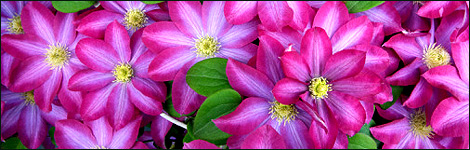 | | Clematis |
Tie in Clematis and other climbers to ensure rapid growth. Try and get all climbers to make horizontal growth as this with make for a sturdier climber and prevent all the green growth at the top rather than further down. Feed with slow release granular fertilizer and apply a mulch around the roots. If climbers are in pots then make sure they are not allowed to dry out. 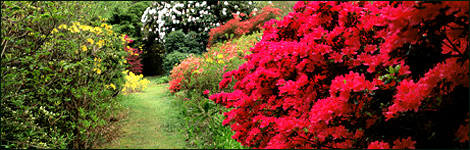 | | Rhododendrons |
Remove the old flower heads from Rhododendrons ensuring that the little green shoots at the top of the shrub is not removed as this is the shoot for next year's flowers. I always just snap them off with my thumb and this seems to remove the old flowers without taking off the new fleshy growth. Feed with an ericaceous liquid feed and apply a good mulch below the plant of forest bark or well rotted compost. 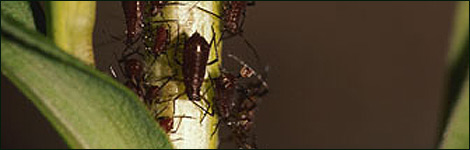 | | Eliminate those aphids |
Feed lawns with liquid feed when the grass is dry and look out for aphids on newly emerging shoots on perennials and woody shrubs. If you spot any insect attack then act straight away with the use of a propriatory garden insecticide or horticultural soft soap. Get them early otherwise they will ruin your best plants which will take a while to recover. Happy gardening! |