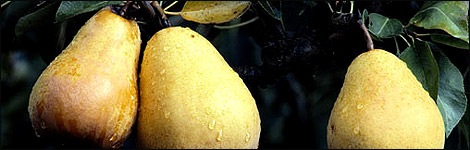
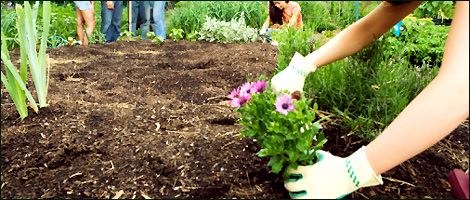
At last May has arrived and us gardeners are more assured now that nature will be kind to us and provide us with warmer evenings and keep cold frosts at bay. However, the odd frost can still strike even in late spring, so keep new delicate plants protected if we are warned of the odd cold snap. That said, this is the month when it all gets going in the garden. My grass seed under the Pear tree in my garden is growing well now and is blending with the existing lawn so that I can't see the join making it all the more easier to mow the lawn. Although the grass and the plants are growing well with the longer warmer days, the slight winds over the last few days are drying out the soil. So pay special attention to watering by making sure that trees and shrubs and newly planted varieties get adequate amounts of water, especially at the roots. I always spray water over the foliage as this refreshes the plants and helps them from transpiring large amounts of moisture. May is also the month when the world's most famous flower show takes place.  | | Colin Evans |
The Chelsea Flower Show will be staged from Tuesday 22 May to Saturday 26 May in the grounds of the Chelsea Hospital. It promises, as ever, to highlight to the world what a great tradition we have as horticulturists. I will be broadcasting live from there with the rest of the BBC Radio Berkshire team on Monday 21 May. As well as bringing you all the major highlights I will get a chance to catch up with the winners of BBC Radio Berkshire's Best Front Garden Award. Tickets for the show, as with each year, will have to be pre-booked on the RHS Ticket Hotline: 0870 906 3781. I will keep you updated on my Sunday morning programme from 9am until 10am each week leading up to the show. Plant of the week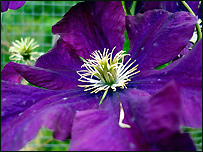 | | Clematis Etoile Violette |
On my travels over the past few weeks I have been bowled over by the colours of the early flowering Clematis. If I could recommend one it has to be Clematis Etoile Violette. The British Clematis Society voted the variety as the number 1 most easy to grow variety. This great climber produces lots and lots of velvety violet blue flowers that seem to go on flowering all through the summer. Raised by F. Morel in the late 1800's, it has proved to be constantly popular. Most garden soils will be ideal for Etoile Violette, especially if some organic matter is dug into the ground. Given support and trained horizontally, this wonderful climber will grace any dull wall or fence. Dead daffodils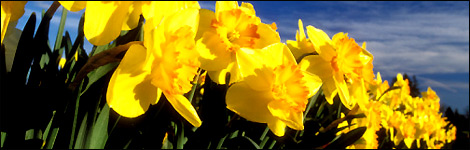 | | Daffodils |
Most Daffodils will have finished flowering by now so the old flower heads will need to be removed and thrown on the compost heap. The foliage should be left for at least another six weeks after removing the flower heads before being cut down to a couple of inches from the ground. Some fertilizer applied to the base of the bulbs and a good watering will be enough to ensure that good flowers will produced next spring. Let the lawn breatheSome of you may have used a weed and feed on the lawn during the last few weeks and if so, then make sure you rake out all the old derbies and open up the lawn so it can breathe. You will be left with a few bare patches where the moss has been killed off so just rake over the bare areas and sprinkle some grass seed over the top. Shake a little compost or garden soil over the seed to firm it in and give each newly sown patch a good watering. In a little under three weeks you will see the seed making it's way above the soil surface. A nitrogen feed applied to your lawn now will give you fantastic grass over the next couple of months and make the grass stronger, especially if we have a hot summer again. Flower cuttings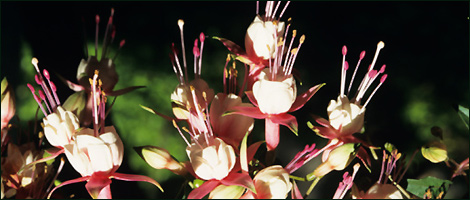 | | Fuschias |
Taking cuttings from Fuchsias and Hydrangeas can be done now by simply taking some new soft tip cuttings. Both these plant species will propagate well from stem cuttings so you should have lots of successes, even if it's your first time. Place the newly taken cutting into pots of multipurpose potting compost and stand in a sheltered spot or a cool greenhouse. Keep well watered and liquid fed and in six weeks or so you should be potting them on into bigger pots. |