Last week I recommended that tender plants be covered or given protection because frosts during the early mornings are very hard right now and during the last few days the ground in the mornings has been winter white. 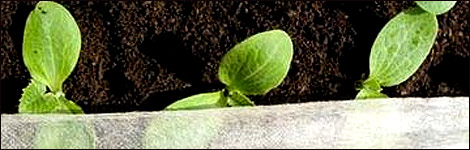 | | Horticultural fleece |
The worst months for frost are usually January and February when the days are cold and garden plants need to be taken care of so that they get to Spring unaffected by the cold weather, but, if they are neglected now then plants will not survive. Horticultural fleece does the best job and you can get this at the local garden centre at very little cost. Avoid plastic as this keeps the plants wet and can lead to freezing, and on warmer day, fungal diseases, and if your exotic plants, like bananas and tree ferns need a top covering then a hand full of straw gently placed over the top will keep the plants snug for the winter. Plant Of The Week: Prunus 'Kojo-no-mai' | | Colin Evans |
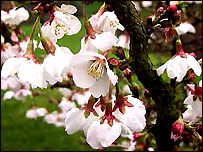
This is a flowering Cherry which is a real gem of a variety. It has superb and decorative bonsai-like winter stems which bear tight pink spring buds early in the year. These open to profuse white blooms which fill the air with a light scent. The leaves in Autumn are a rich bronze colour making this plant one for all seasons. Kojo-no-mai tends to grow more shrub like so is good for smaller gardens of large containers. Border care | | Cut back any growth in time for winter |
Shrub and flower borders will need some attention now and the best tool for this is secateurs. Just get out there when the ground is not to wet and cut back all the old growth on the summer flowering shrubs and if in doubt the general rule of thumb is about one third of the growth. This will tidy up the shrubs and let light into the borders for the newly emerging spring bulbs later on. The old summer bedding should be cut back right to the ground or lifted and put onto the compost heap. Clear the borders of weeds and then apply a slow release granular fertilizer and then cover the whole area with Forest Bark. This will keep the weeds down, hang on to the moisture and make the borders look especially good on the dreary days of winter. Perking up your lawn | | Spruce up your lawn with turf |
The summer this year played havoc with the lawns and many look past their best now. Although the more sheltered areas of the lawn may be growing well the more exposed parts may be showing brown patches so will need repairing. Grass seed is the preferred way of filling in the patches but the best time has now passed, that is April and September, so turf is the answer. Single rolls or more can be purchased at the local garden centre during the winter months so the job can be carried out now. Lift up the old brown patched of grass and leave about two inches depth, cut the new turf to size and drop it into the gap, pat it down with the back of a shovel and water in. In a few weeks the new turf will have rooted and will merge in with the existing lawn. The best ever rhubarb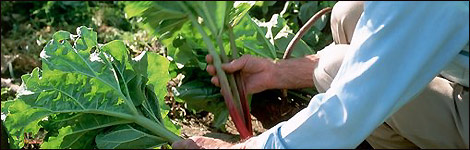 | | Get planting those rhubarbs! |
One of my favourite desserts is Rhubarb either in a crumble or a pie, although, Rhubarb is officially a vegetable. This great plant is so easy to grow and can be forced either in the open ground or in a large container like a half barrel. The best variety which will grow in all areas is 'Timperly Early' which is a good all rounder and produces lots of stems. Garden centres sell the crowns or you can contact one of the specialists and get you supplies through the post for planting straight away. Prepare the ground by deeply digging and dig in lots of humus, leaf mould or farmyard manure to bulk up the soil as rhubarb likes enriched soils with plenty of moisture. A container should be treated the same with a mixture of garden soil and compost and make sure the container has holes underneath to avoid water logging. Plant the crowns with the top just above the soil and the cover with some straw and a large pot to keep the light out forcing the crown to make a few shoots. In the olden days, specially-made terracotta Rhubarb pots were available to growers to cover the crowns but these days even an old dustbin will do. Next year uncover the crown and let nature do its work and if kept well fed and watered your plant should produce good usable stems throughout the summer. Happy Gardening! |